2026
Product Design, UI/UX design
Design: Egor Gerasimov
System and data: Lotte Savelberg
Project manager: Jacob Ashdown
Frontend dev: Navin Shingote
Backend dev: Iwan Firmawan
.jpg)
Impact Global Health is a not-for-profit organisation providing data and insights to support decision-making in global health research and development. At the centre of their work is a large and complex dataset tracking funding and product development pipelines across multiple disease areas.
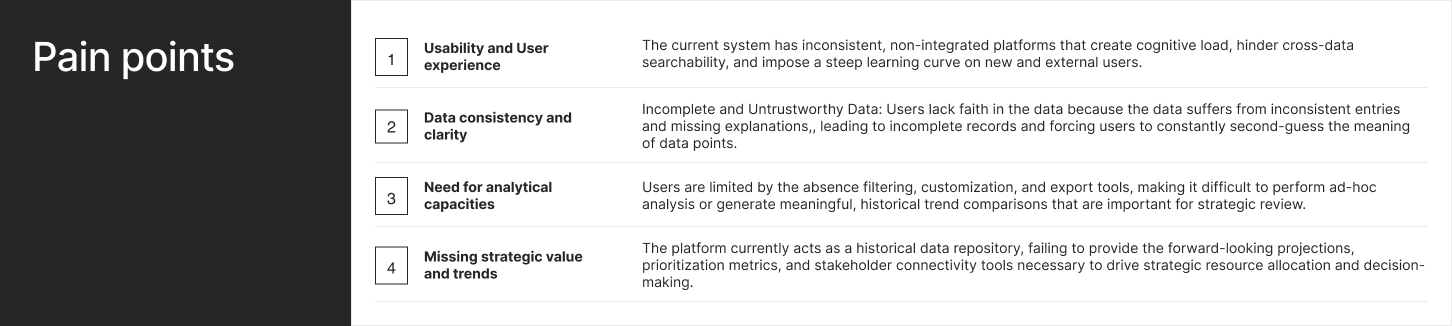
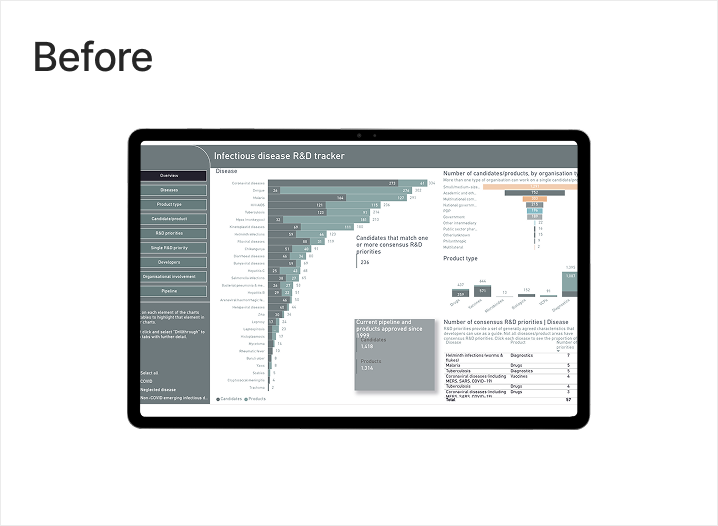
Impact Global Health manages extensive global health R&D pipeline data, but it has been distributed across five separate portals, each with its own structure, dashboards, and interaction patterns. Over time, this created a fragmented experience where users struggled to move between systems, compare products, and extract meaningful insights.
The complexity of the dashboards, combined with inconsistent user experiences, increased the effort required to access even simple information. As a result, the full value of the data remained difficult to unlock.
The challenge was not only to consolidate these systems, but to redesign the experience in a way that makes complex, interconnected data feel clear, usable, and accessible to a diverse global audience.
In collaboration with Akvo, a single unified portal was designed to transform Impact Global Health’s database into an intuitive, user-centred experience. The platform brings together all pipeline data into one cohesive system, allowing users to explore information across diseases, products, and time without friction.
By streamlining previously separate systems and connecting to Microsoft Dataverse, the portal creates a scalable and flexible foundation for data access. The experience supports dynamic filtering, interactive visualisations, and flexible export options, enabling users to move seamlessly from exploration to reporting.
A strong emphasis was placed on clarity and usability, ensuring that even complex comparisons and large datasets can be understood quickly. The result is a platform that simplifies analysis while preserving the depth and richness of the data.
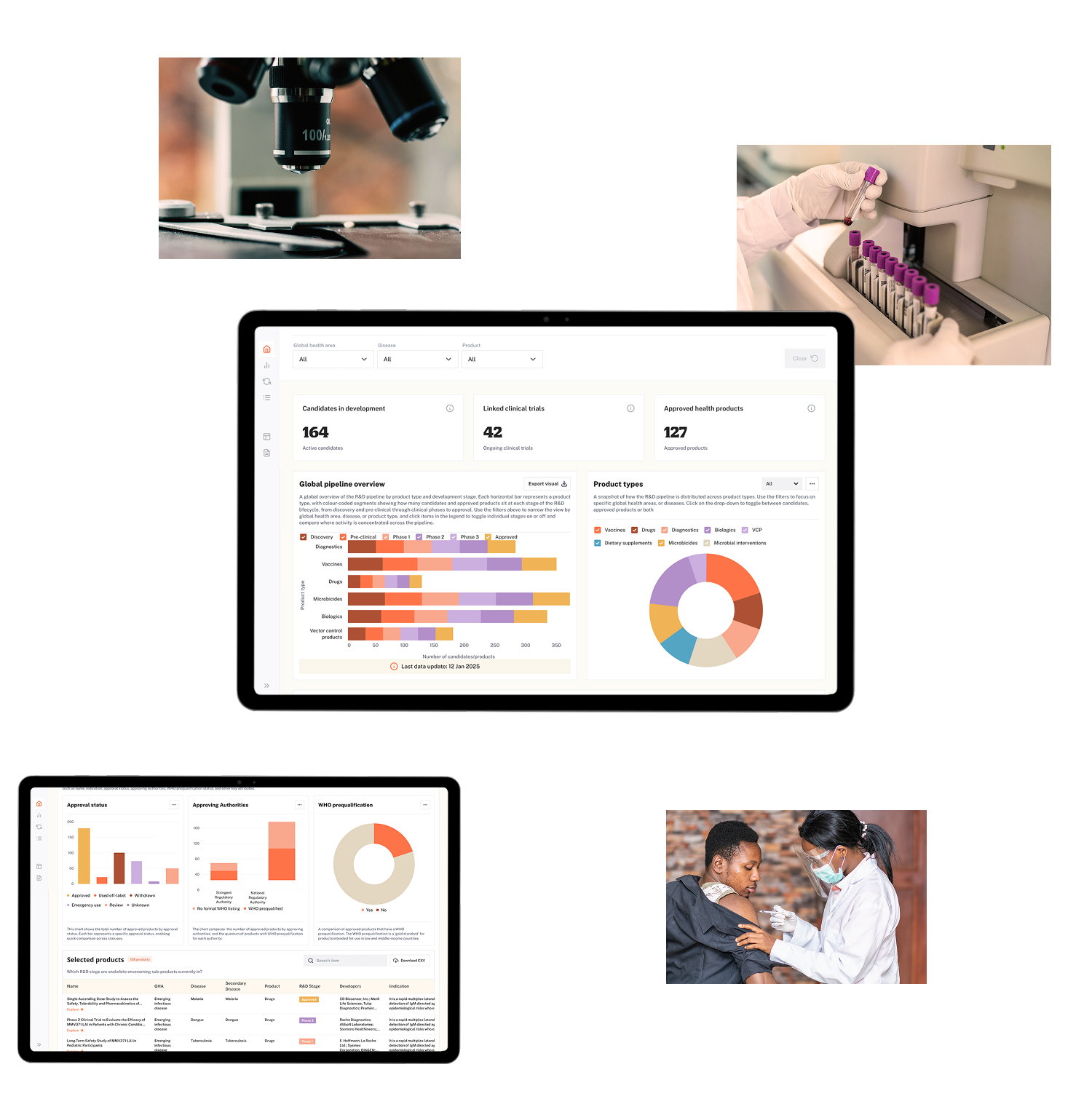
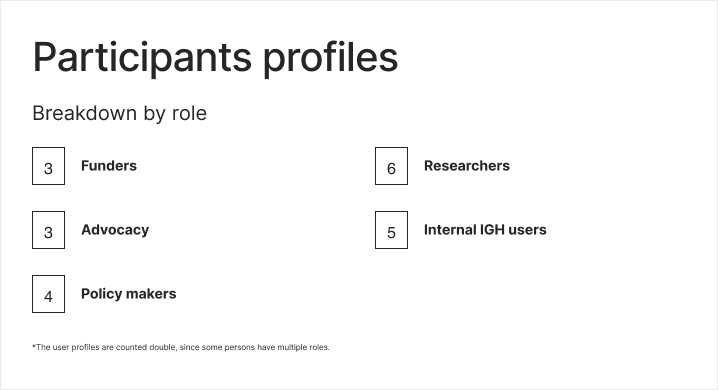
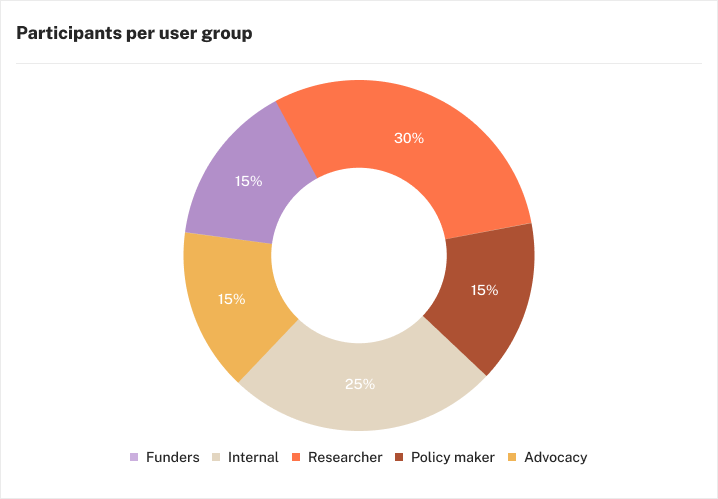
The process began with understanding how different user groups engage with the data, including researchers, policymakers, funders, and product developers. While their goals varied, they all required efficient ways to navigate complex datasets and generate reliable insights.
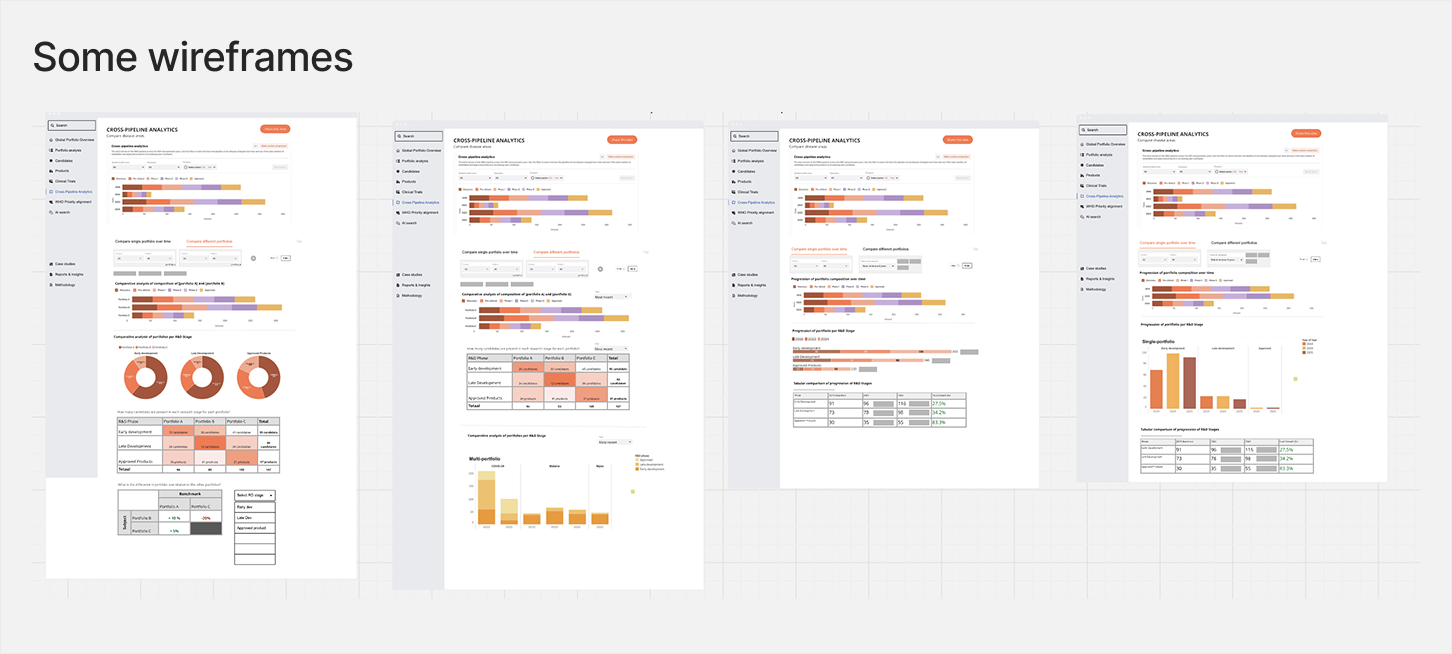
From these insights, key use cases were defined around exploring pipeline data, identifying gaps and opportunities, and generating outputs for reporting and decision-making. These use cases informed the structure and logic of the platform.
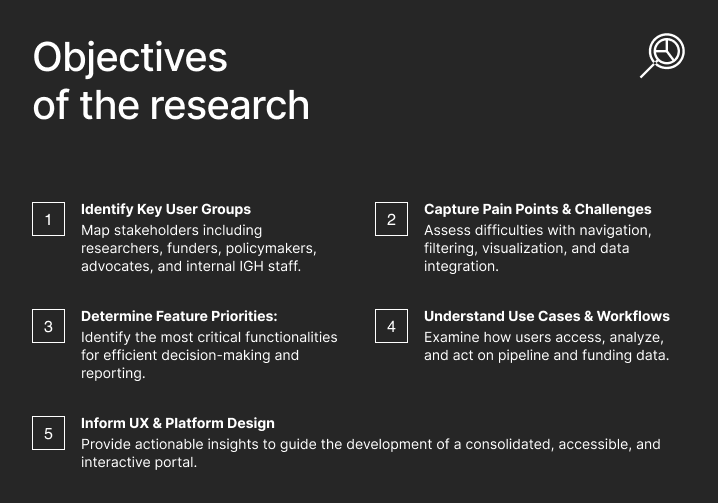
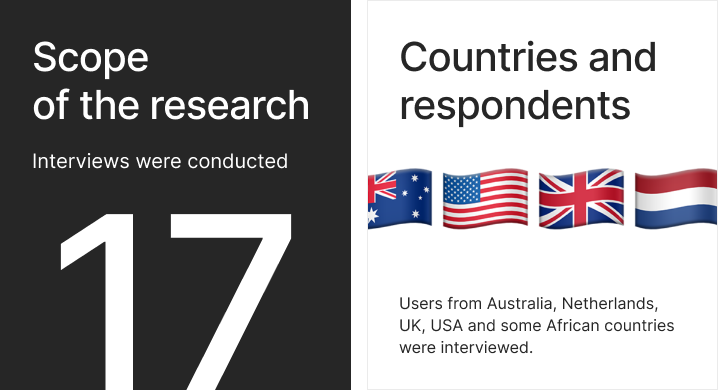
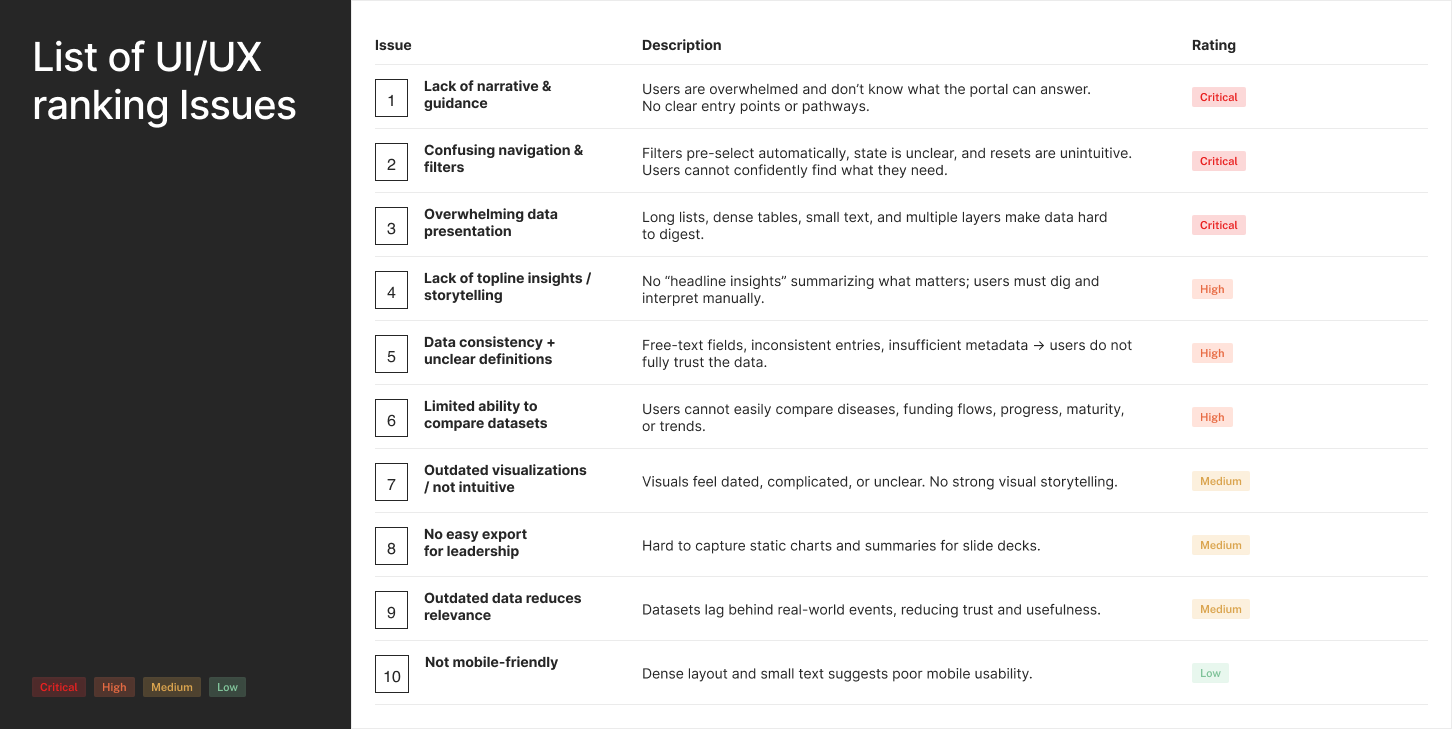
A major focus was reducing complexity. Instead of multiple disconnected tools, the experience was built around a single entry point with consistent navigation and interaction patterns. Filters, search, and visualisations were designed to behave predictably across the platform, helping users build familiarity and confidence as they explore.

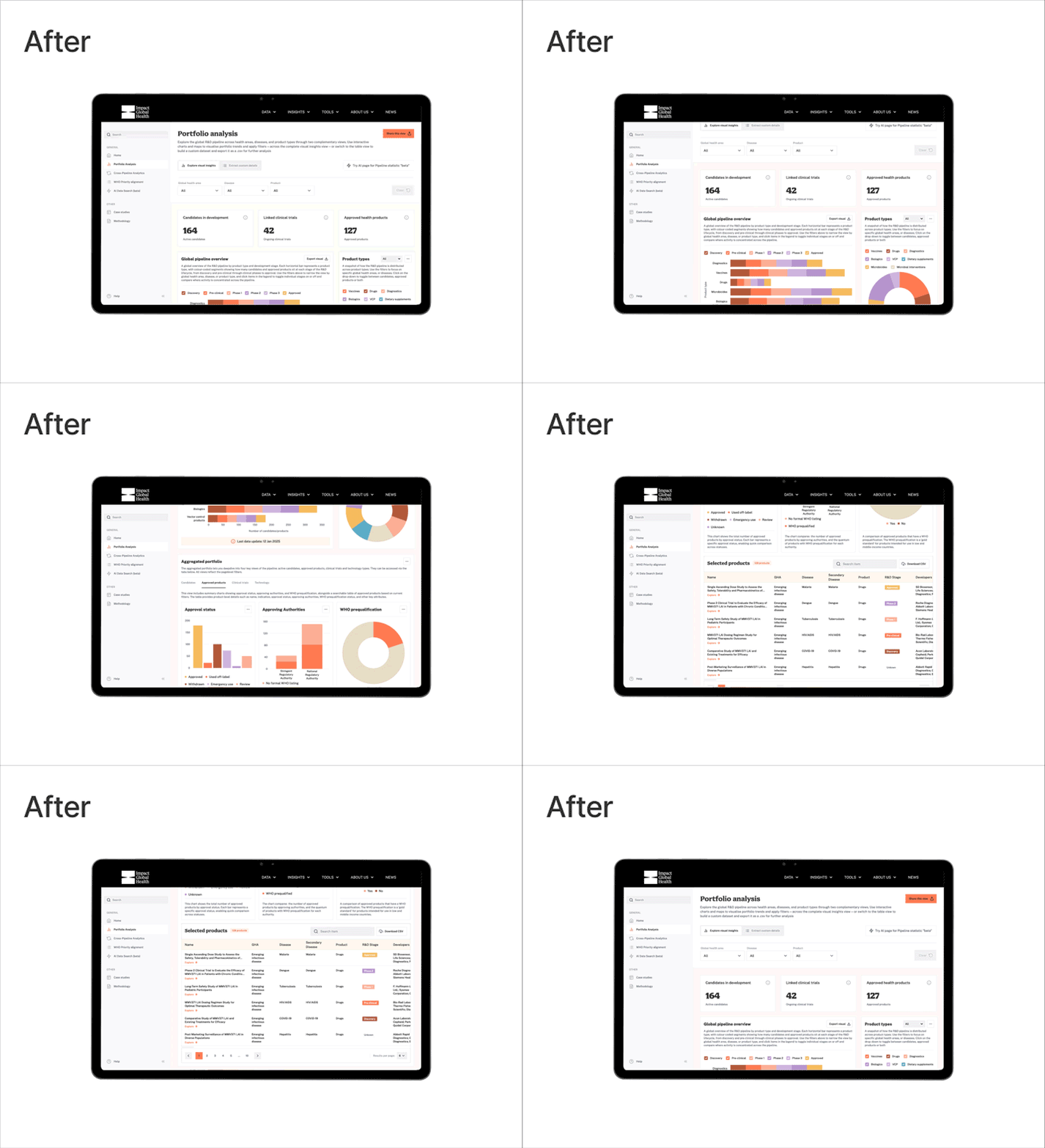

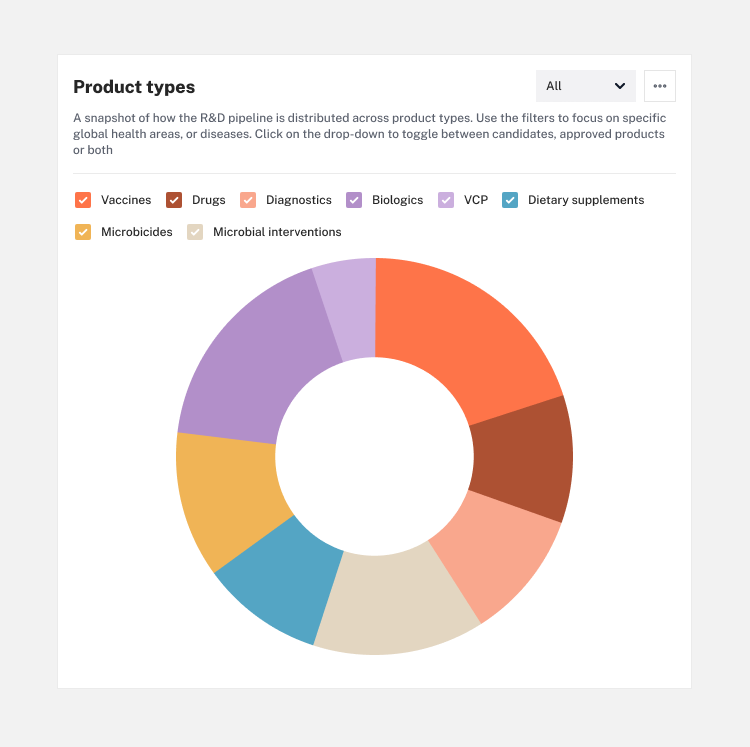

Designing for clarity was essential. The interface uses a clean visual language, clear hierarchy, and carefully selected visualisation styles to ensure that users can interpret information quickly without feeling overwhelmed.
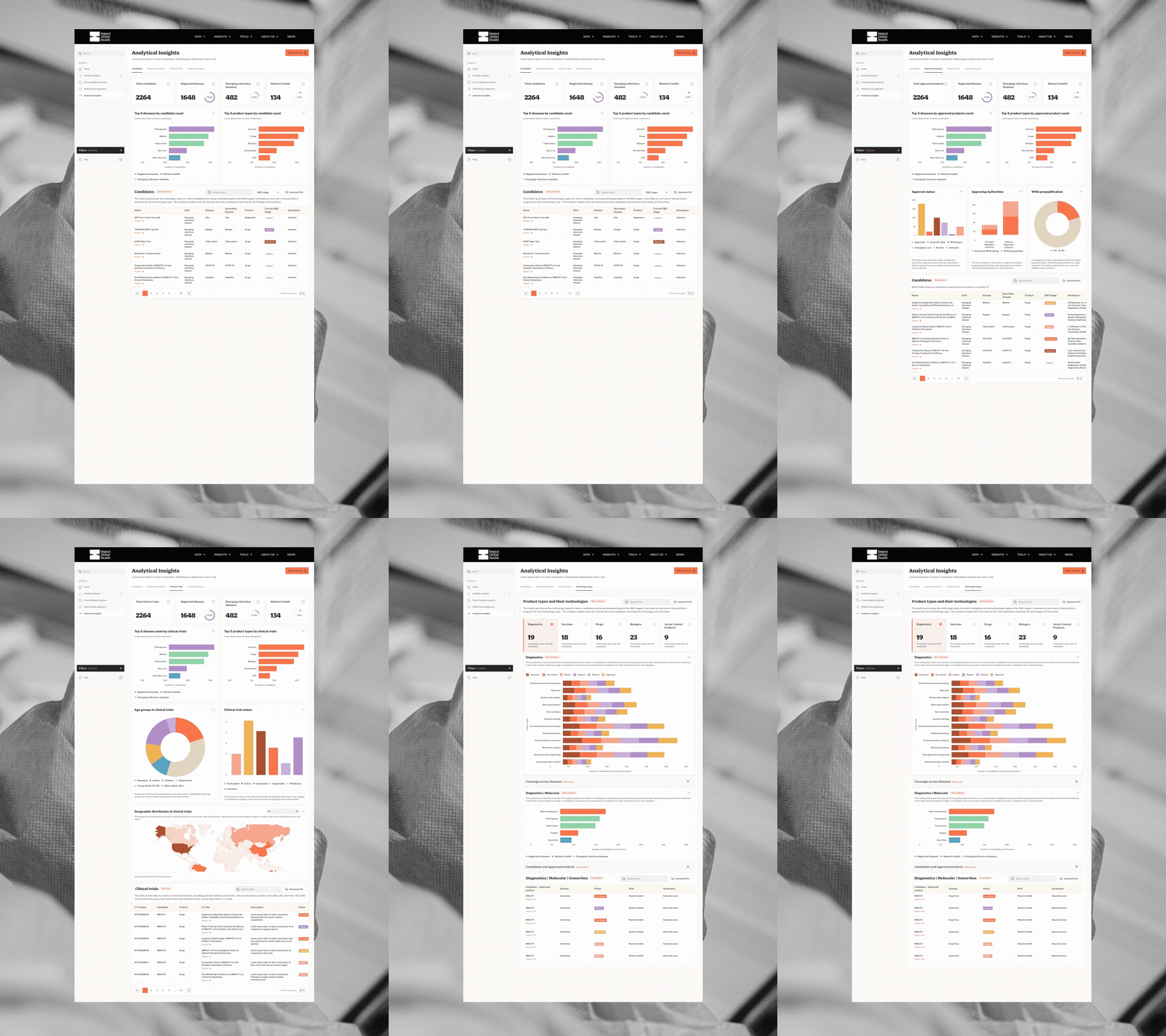
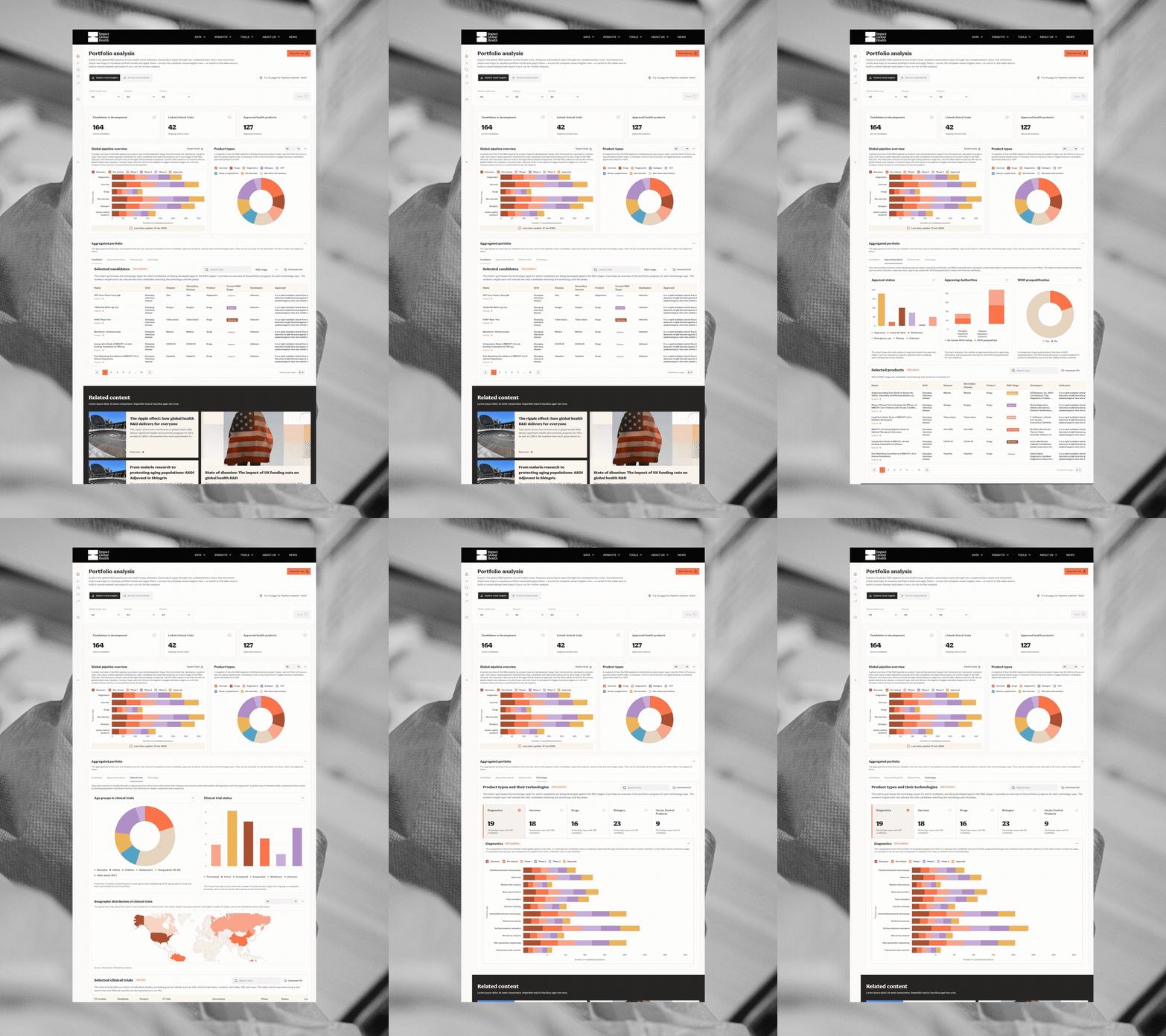


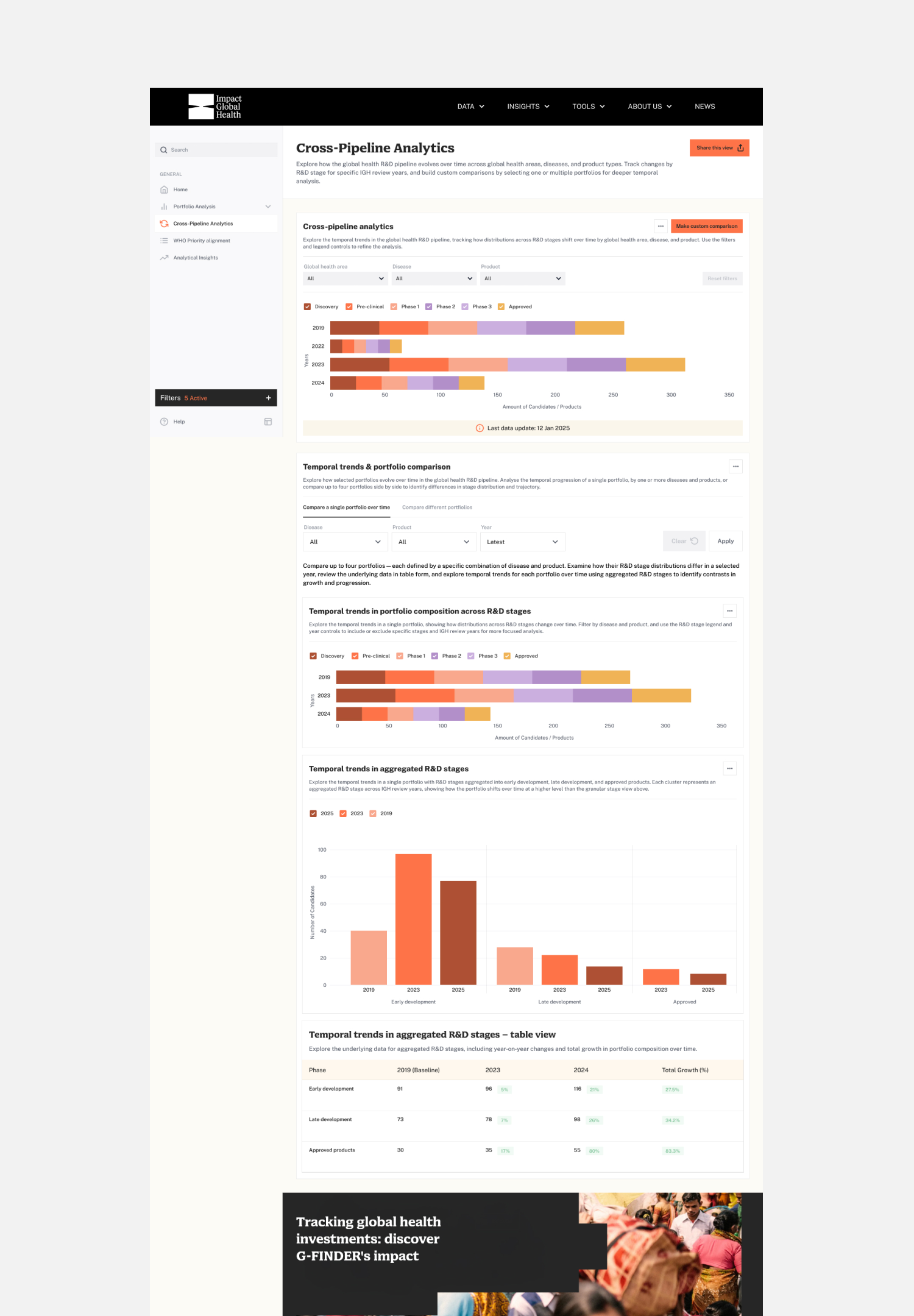
The final result is a unified data portal that replaces five separate systems with one cohesive experience. It enables users to seamlessly compare products across diseases and years, turning complex datasets into accessible and actionable insights.
By simplifying access and improving usability, the platform reduces the time required to find information and supports deeper analysis. It provides a scalable foundation for future growth while significantly improving how users engage with the data.
.jpg)
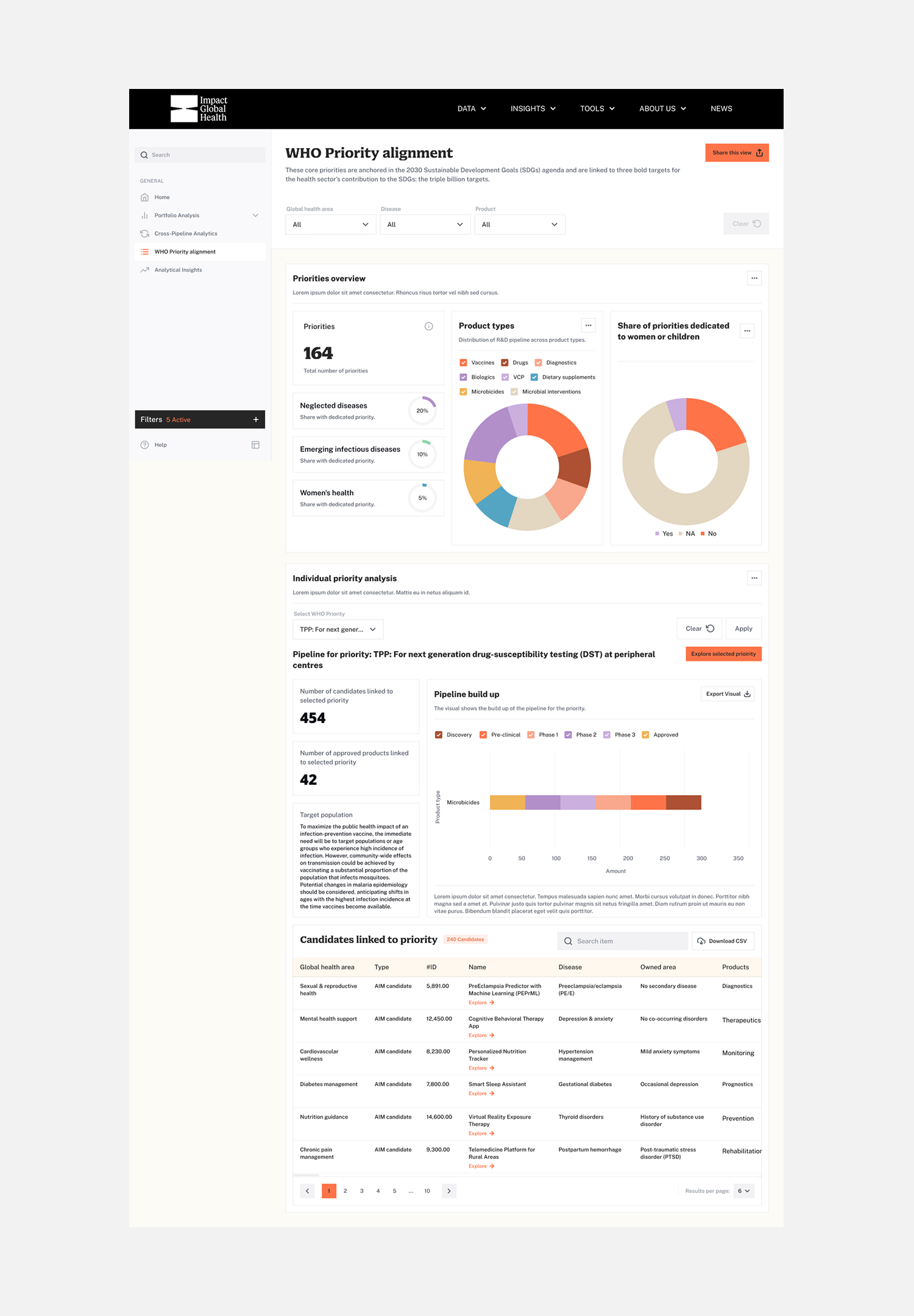


The new portal empowers funders, researchers, and policymakers to seamlessly compare products across diseases and years, turning IGH’s comprehensive data into actionable evidence. This enables smarter investments, stronger advocacy, and better-informed policy decisions across the global health sector.
Live website:
https://pipeline.impactglobalhealth.org/

